An idea in the air
In the mid-2010s, Belarusian playwriting was in a paradoxical state: it was actively discussed beyond the country’s borders, yet inside Belarus itself it could barely find a stage. New plays were sent to Russian festivals — Lyubimovka, Remarka, international competitions — were noted by experts from abroad and staged in neighbouring countries. Inside Belarus there was a lack of mechanisms through which playwrights could find a reader, a director, their own audience.
The WriteBox competition-festival of contemporary Belarusian playwriting arose precisely as an answer to this lack.
The impulse came from the participation of theatre scholar and manager Viktoryia Beliakova in the Social Weekend competition, whose idea received support from the MaeSens project[1]. That was the first time it became possible to shape the festival idea as a full-fledged initiative. As a result, the main responsibility fell precisely on the founder of WriteBox: with no full management team in place, it was she who sought out directors and readers, worked with them and oversaw the result.
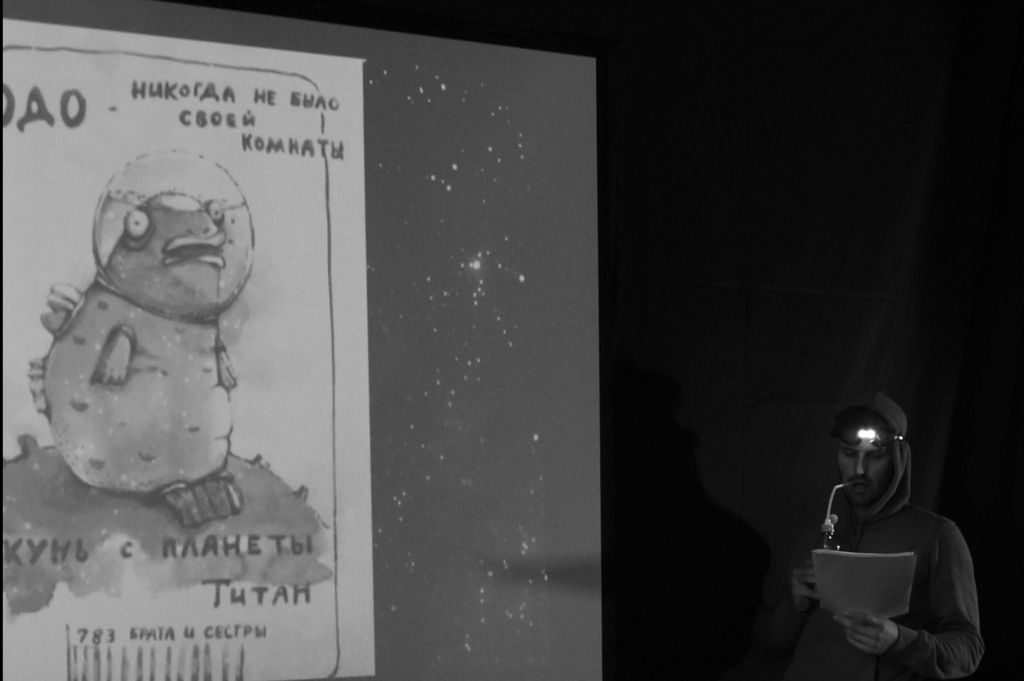
In 2016 the concept took clear shape. WriteBox defined itself as “a gathering point for contemporary Belarusian playwriting” — a space where texts revealed themselves, were discussed and reached the hands of directors “here and now”.
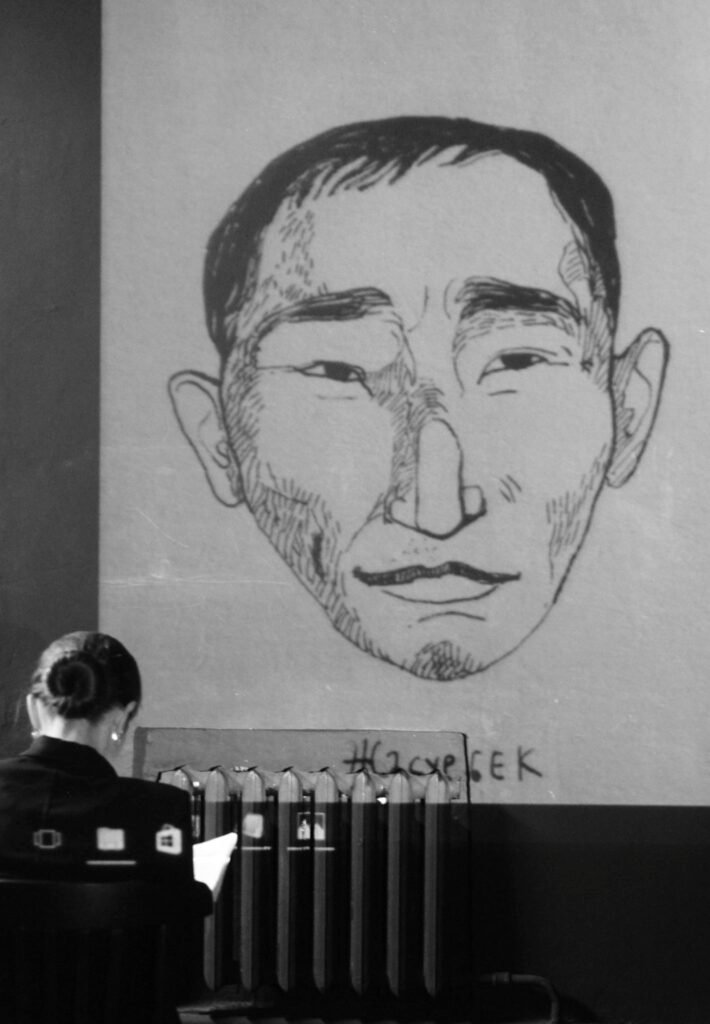
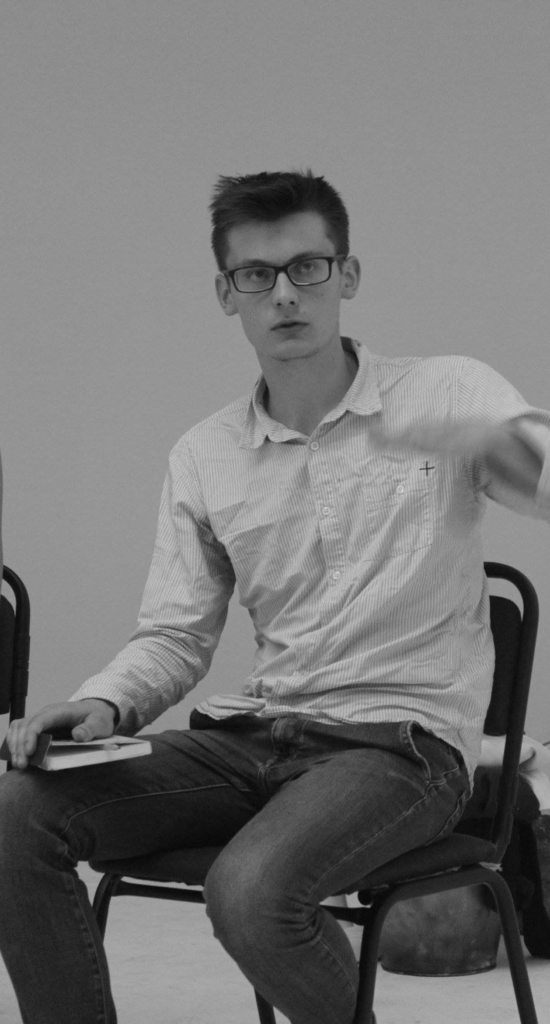
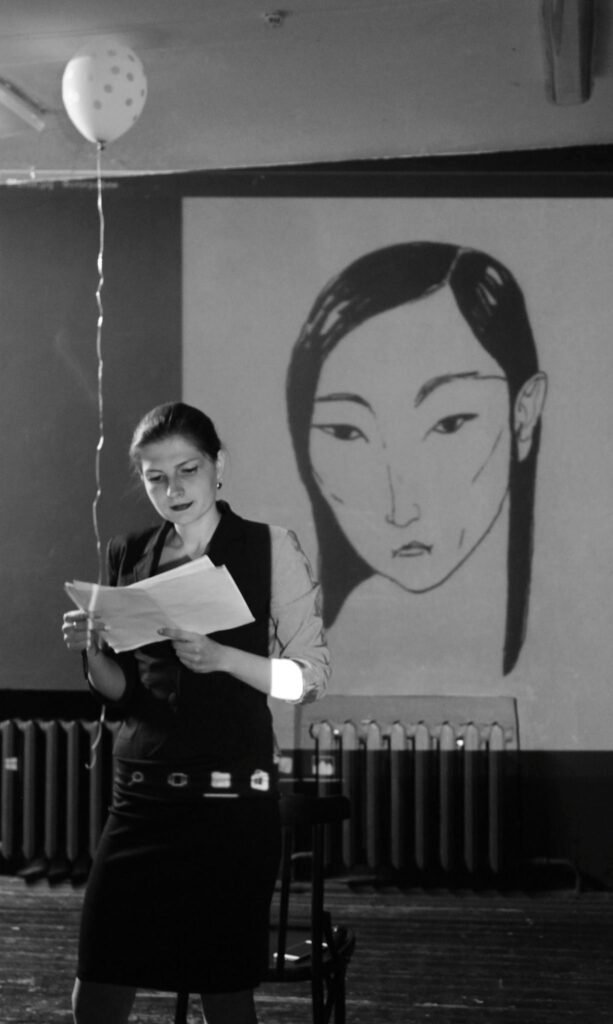
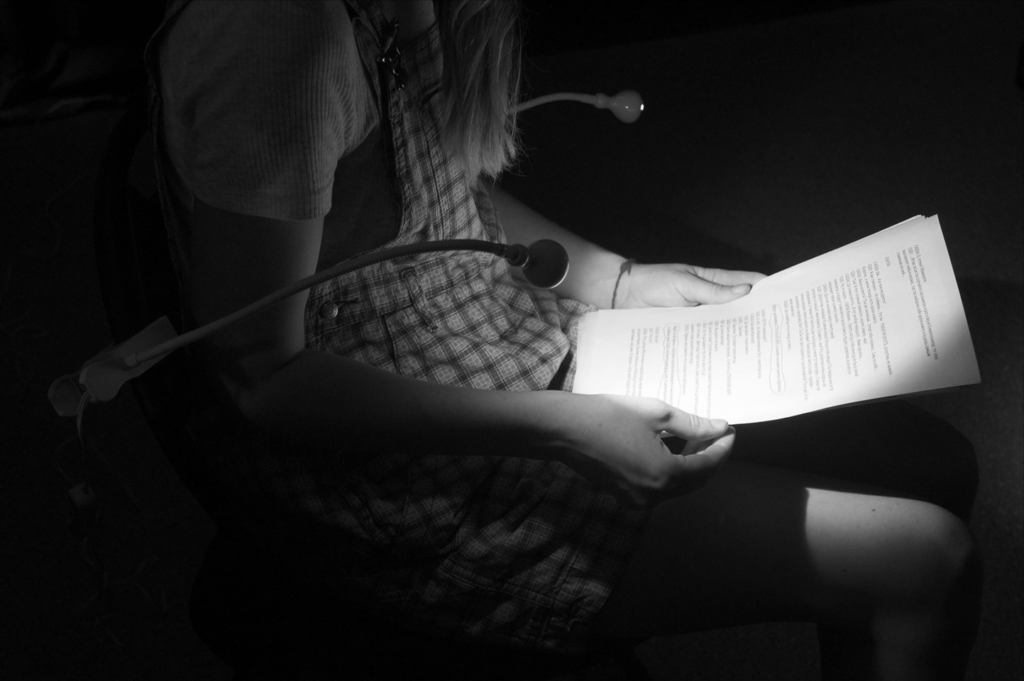
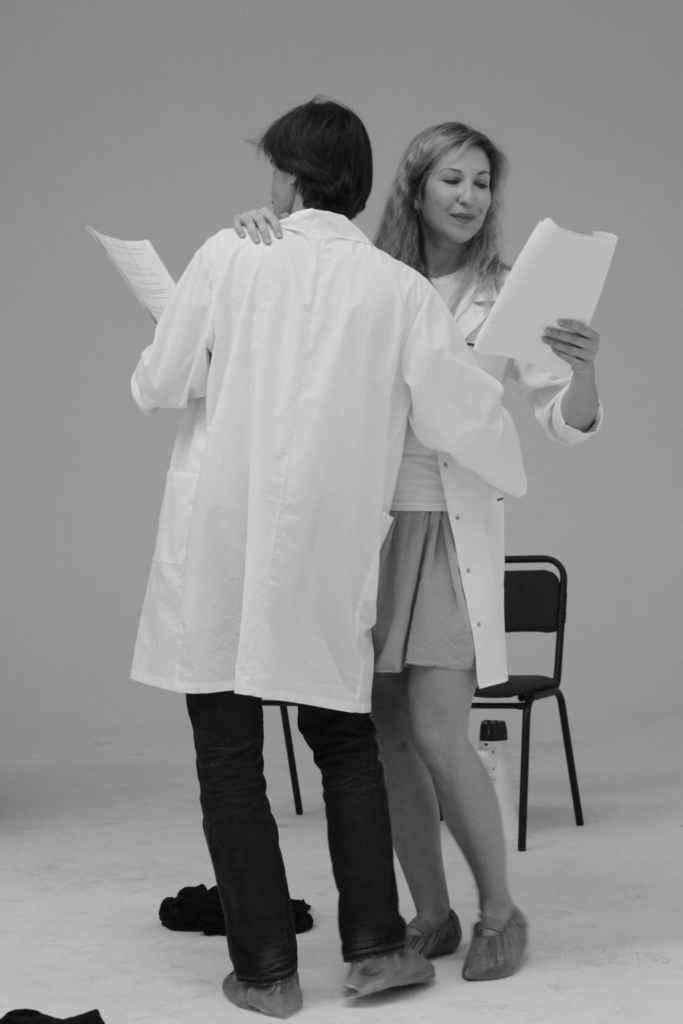
From the very beginning WriteBox was conceived as a two-part project: first a competition of plays, in which a professional team of readers selected the texts; then a festival that included staged readings, discussions, lectures, experiments and meetings with the authors. This dual format made WriteBox at once a platform for development, a space of expertise and a living theatrical laboratory. Its overarching aim was to give a voice to Belarusian experts, not only to foreign readers — an important point that later shaped the development of the whole field of playwriting.
The structure of the festival: how WriteBox worked
In its structure the festival was flexible and “breathing”: the nominations were born in the process of reading and discussion, taking shape from within the body of the plays themselves. And the number of submitted texts grew every year: while 28 plays were sent in 2016, by 2020 their number had risen to 73 — which in itself testifies to the festival’s significance and to the emergence of striking new names.
Tellingly, whereas before 2015 the field of Belarusian playwriting was known mainly for male names, afterwards many more women authors appeared, which changed the voice and dynamics of Belarusian theatre.
Of course, the foundation of everything was the shortlist, which gathered the plays selected by the readers, written a year or two before the start of each festival (for example, in various years the shortlist included plays that are well known today: “From the Vocational School” by Andrei Ivanou, “The Swings Were Flying” by Kanstantsin Stseshyk, “Opium” by Vital Karalyou, “Everything’s Fine” by Ulada Khmel, and others).
But out of the readers’ desire to highlight as many interesting texts as possible, to draw the attention of directors and audiences to them, additional categories also appeared:
- “Debut” — for first plays (Natalla Yarmolchyk, “You Will Be No More”, 2017);
- “The Locals” — texts that most precisely reflect the local Belarusian context (for example, “Labrum” by Maksim Dasko, 2017);
- “Noted” — plays that did not make the shortlist by points, but which the jury felt it necessary to single out (“Voices” by Aliaksei Makeichyk, 2016; “Mastectomy” by Kasia Chekatouskaya, 2018; “The Museum of (Not) Very Necessary Things” by Alyona Ivaniushanka);
- “Return” — a unique category in 2017 for unpublished plays from previous years (“The Sun Circle” by Ivan Krepasny, “Sirtaki” by Volha Prusak);
- “Plays for Children” — an experimental category in 2020 that revealed an important gap in Belarusian theatre. It turned out that, setting aside plays for school matinees, there are very few worthwhile plays for children (three texts made the shortlist: “The Girl Who Searched for a Purpose” by Aliaksei Kulakou, “Shame” by Aliaksei Makeichyk, “The Giant’s Tear, or the Tale of Hanchyk the Carpenter Who Grew Sad” by Siarhei Kavalyou).
Key plays and turning points
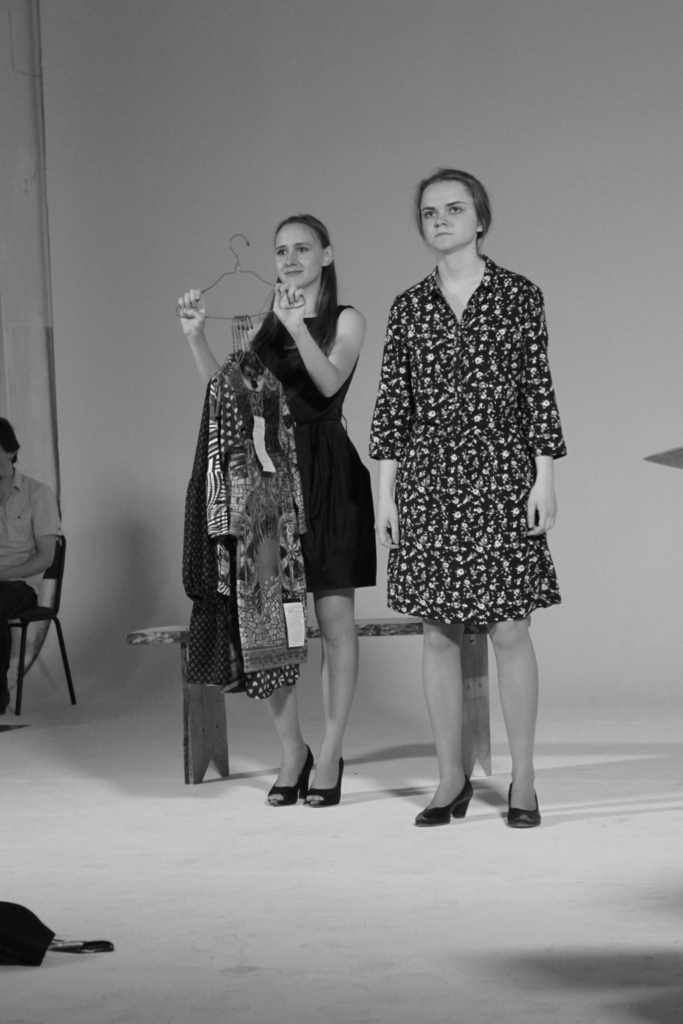
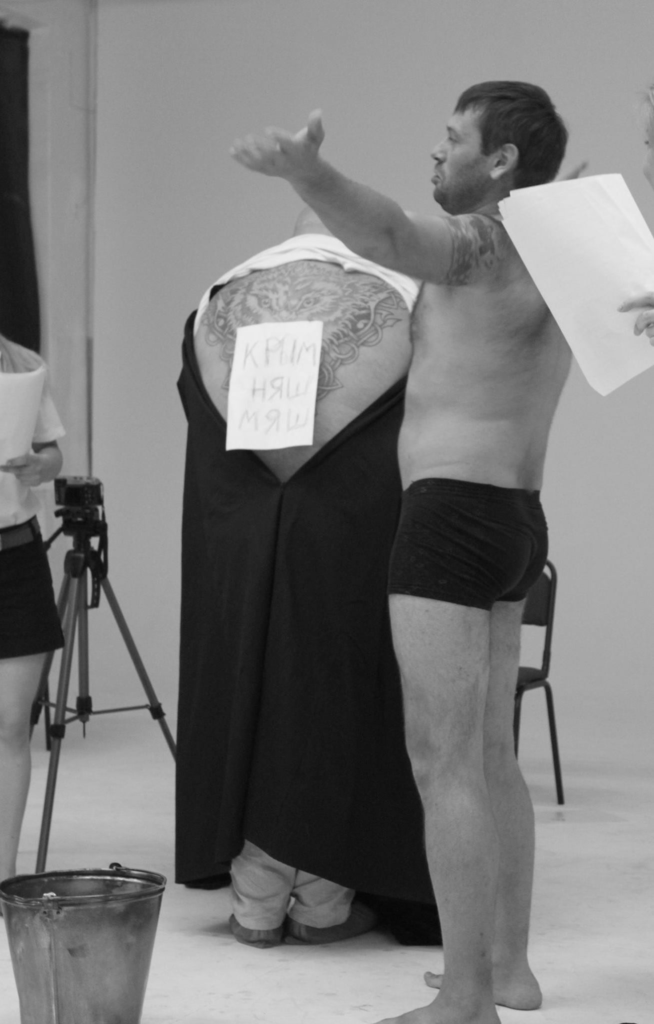
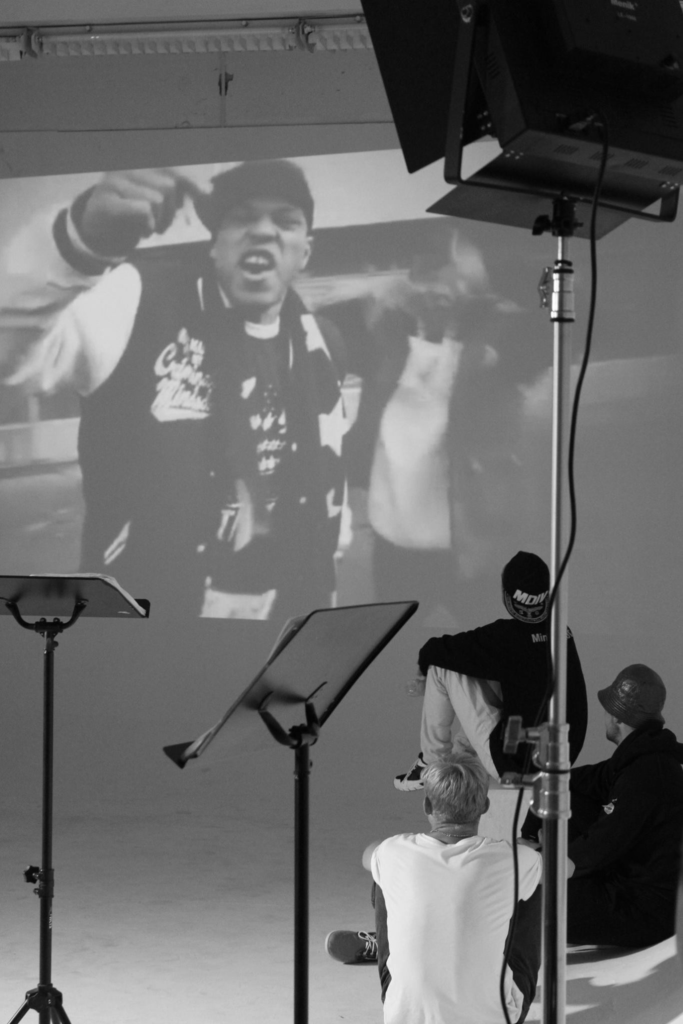
Each year the competition-festival was enriched with new experimental formats: from the Curatorial Season (2019) to audio and video readings (2018).
2016 launched a generation of new texts. The festival announced itself with vivid readings: “Points on the Timeline…” by Dzmitry Bahaslauski, “Onyx” by Maksim Dasko, and others — texts that set a high bar for the debut season. The audience saw that a reading could be an event, not a formal recital.
In 2017 more nominations appeared, the field widened, and texts emerged that shaped a portrait of a generation: from the socio-political “The Immortal Regiment” by Aliaksandr Buhrou to the post-industrial “Moskow Drimin” by Vital Karalyou and the philosophical “Labrum” by Maksim Dasko. WriteBox became a space in which Belarusian identity is interpreted through playwriting.
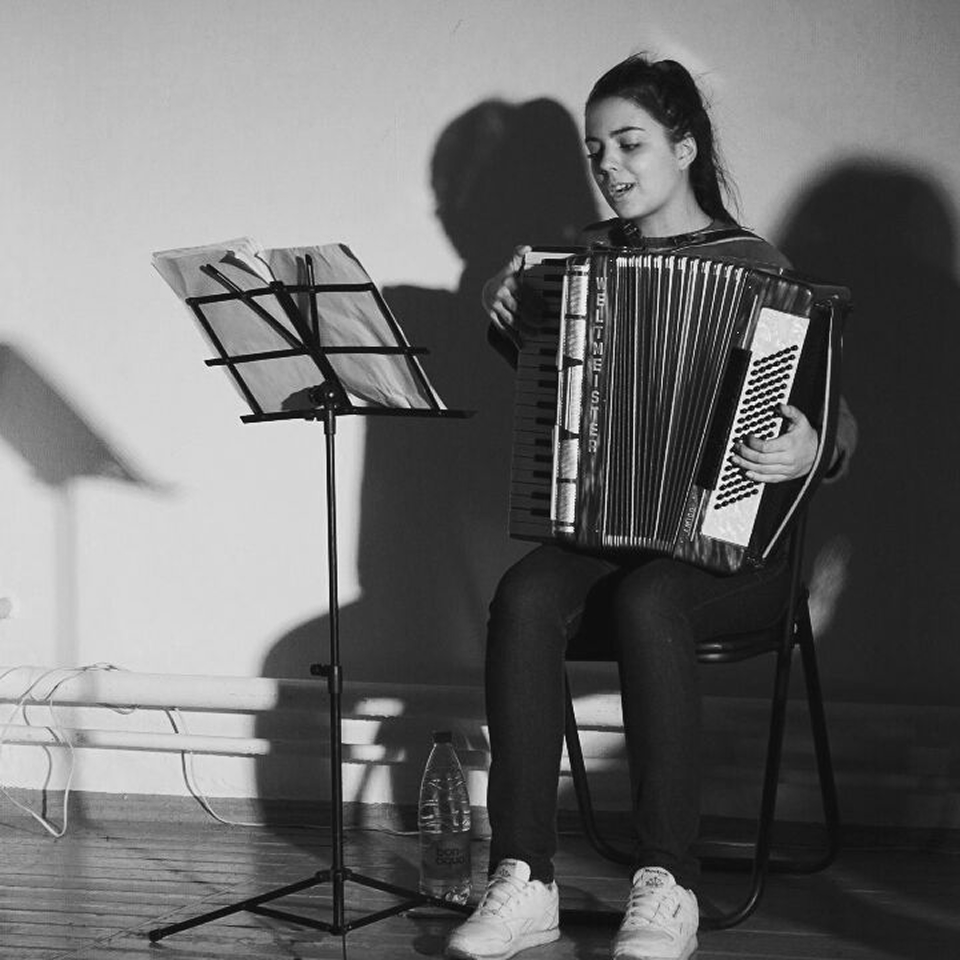
In 2018 WriteBox entered the space of the “Laboratory of Social Theatre”, and the staged readings drew full houses. On the shortlist were “August-6” by Andrei Ivanou, “…And the Leaves Will Return to the Roots” by Aliaksandr Savukha, “Skin” by Alyona Ivaniushanka, “Settling into Concrete” by Aliaksei Makeichyk, “The Self-Guided God” by Kanstantsin Stseshyk. New forms appeared: a video reading of “Settling into Concrete” directed by Anton Makukha, filmed in a venue at 16 Kastrychnitskaya Street; an audio reading of “The Self-Guided God” staged by Yury Dzivakou — a performative work that turned a harsh text into a philosophical metaphor.
It was the year in which WriteBox loudly declared itself an experimental platform.
More than once one could hear from members of the jury: “The text is imperfect, but it is impossible not to single it out.” In 2019 it became clear that the standard shortlist did not reflect the complexity of the field. Thus the Curatorial Season appeared: each jury member personally chose a play and publicly explained their choice. This format gave the festival a rare degree of ethical and artistic responsibility and transparency. Eight plays were noted, among them “Sources of Light” by Andrei Ivanou, “You Will Find Alice Under the Old Snow” by Alyona Ivaniushanka, “Tangle” by Aliaksei Makeichyk, and others.
2020 became the final year for the competition-festival. A record number of plays arrived, the competition part concluded successfully, and the main shortlist included “Peaceful People” by Maryia Bialkovich, “Fort Hawthorn” by Aliaksandr Savukha, “In a Reverse Helmet I Look Like a Robot” by Kolia Muzychenka, and others. But it was impossible to hold the festival offline. The political crisis and the pandemic made continuing the format unfeasible. The organisers hoped to put the work on pause, but the world changed so much that a return to the old WriteBox format is no longer possible. The festival rested on the city, the space and a living community — without that “gathering point” it would cease to be itself.
Why WriteBox was needed — and why it matters today
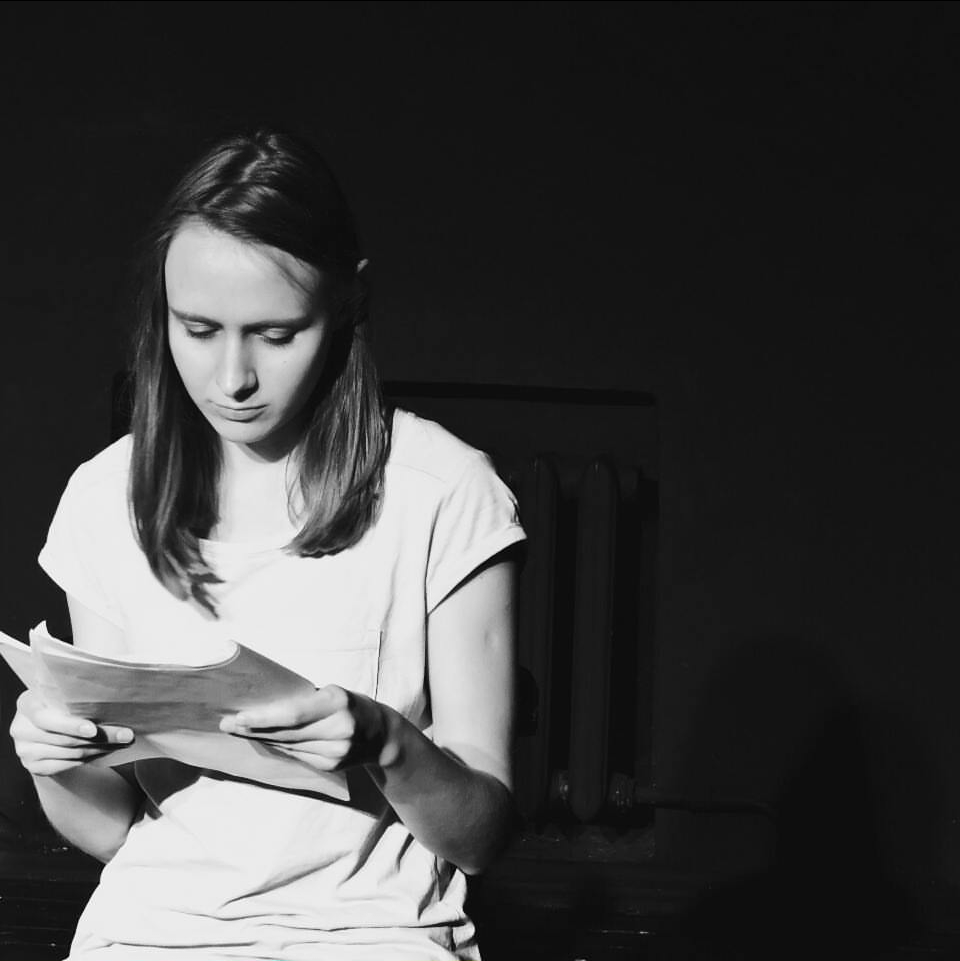
Over five years WriteBox took very important steps along the path of developing contemporary Belarusian drama: it created an archive of plays through which one can today study the development of themes, language and a generation’s vision of reality; it gave authors the sense that they had their own stage and their own community; it discovered new names; it brought into the theatre texts that later became productions; it shaped a culture of the staged reading as a full-fledged form of presenting a text, one carrying spectacular potential; and it became a place where discussions were born about gender, violence, the crisis of society, and post-memory.
WriteBox truly was a gathering point — a place where playwriting and theatre breathed the same air. Today that experience remains an important testament to how, under conditions of minimal resources and maximal cultural need, one can create an environment in which a new generation of Belarusian playwriting is born.
The festival became a living map of the development of playwriting in 2016–2020: from male dominance to the rise of women’s voices; from classic readings to the search for experimental forms; from fragmentation to an attempt to create a shared cultural centre. WriteBox will remain in the history of Belarusian theatre as the place where contemporary playwriting found a home.
[1] MaeSens is a Belarusian fundraising platform for social projects. MaeSens supported the WriteBox educational programme; the competition and festival parts were run on a volunteer basis for all participants and organisers.